March 25, 2026
Electrical safety is a cornerstone of any home addition or renovation project. Improper installation can lead to serious hazards such as electrical fires, shocks, or costly damage to property, making it essential that all work is performed by trained professionals. Licensed electricians bring years of experience, technical expertise, and an in-depth understanding of safety standards to every project, ensuring that wiring, panels, and fixtures are installed correctly and reliably. Beyond safety, residential electricians also consider the long-term functionality of a home’s electrical system, selecting high-quality materials, properly sizing circuits, and planning layouts that balance efficiency and convenience. They account for room-specific needs, power requirements, and potential future upgrades, ensuring that your home addition not only works efficiently today but remains adaptable to technological advancements and lifestyle changes. By relying on professional expertise, homeowners gain peace of mind knowing that every detail—from proper grounding and insulation to compliance with local building codes—is handled with precision, creating a safe, efficient, and future-ready electrical system.
Ensuring Safety in Electrical Installations
Electricians are well-versed in the stringent safety standards necessary for safe electrical installations. These professionals adhere to established regulations, ensuring that all wiring and component installations prevent potential hazards. Proper training allows electricians to identify and use quality materials explicitly designed for specific applications. This understanding of materials and methods helps to prevent potential risks, such as electrical fires or shocks. By following safety standards, residential electricians contribute to the long-term safety and reliability of electrical installations in home additions.
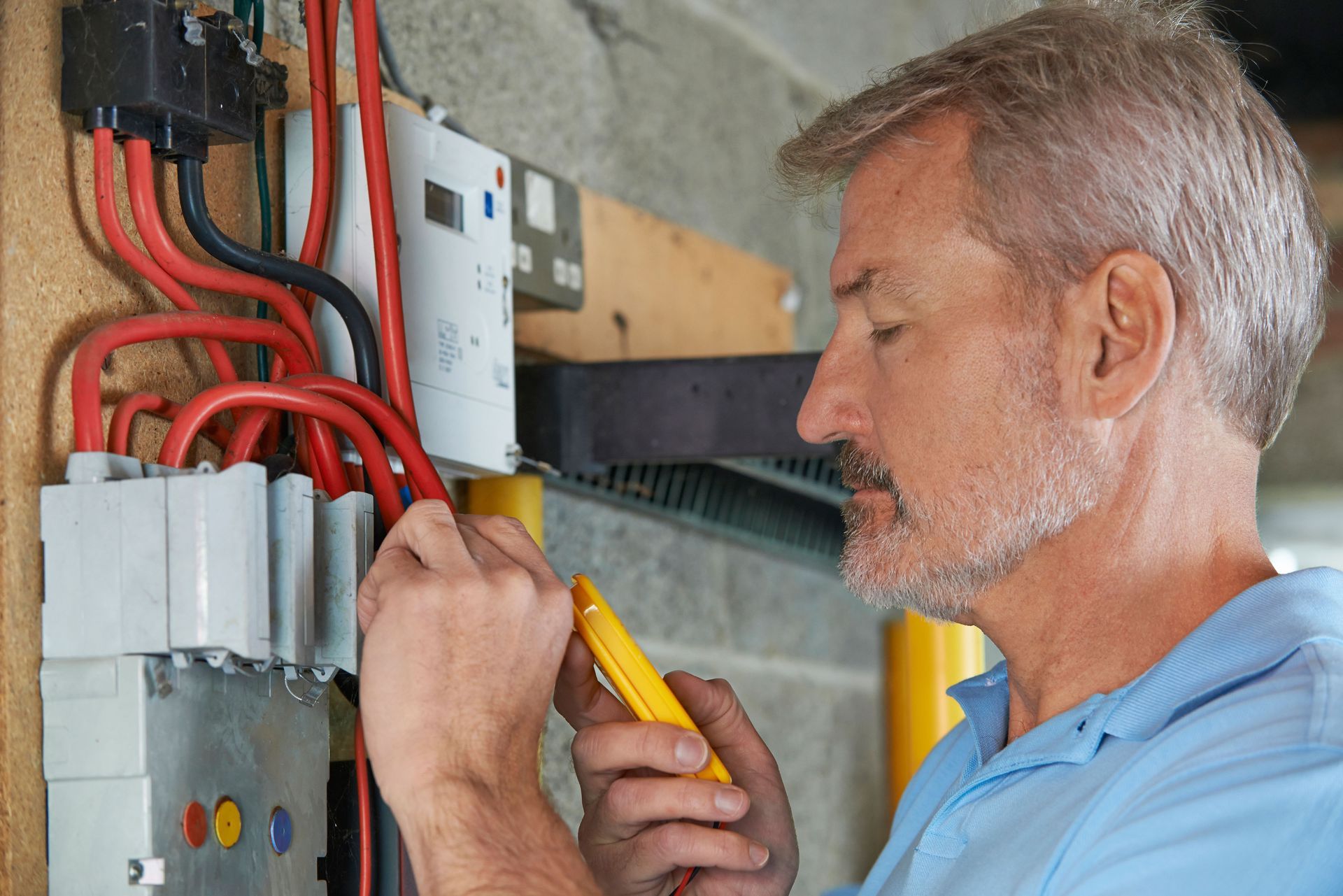
Hiring a professional electrician means relying on their expert knowledge and skills. Electricians bring years of experience to the table, having dealt with various electrical scenarios and challenges. Their expertise ensures that home addition projects are executed with precision, from planning to implementation. For instance, determining the right load requirements and breaker panel sizing reduces the chances of overloads, enhancing overall safety. Consequently, homeowners benefit from installations that not only work efficiently but also stand the test of time.
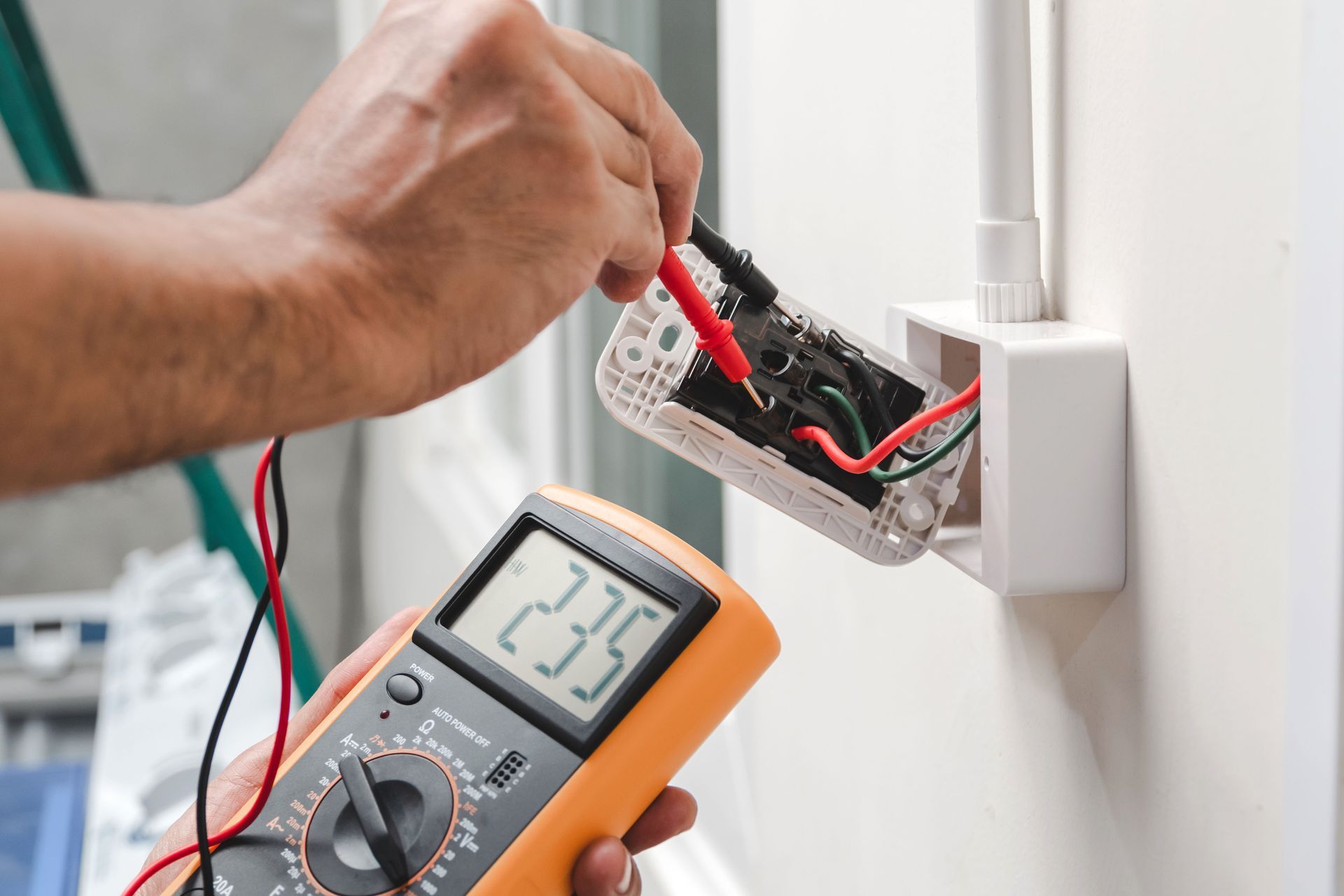
Electrical installations can pose significant risks if not handled correctly, from electrocution to severe property damage due to fires. Homeowners attempting DIY installations often overlook critical safety measures that trained electricians prioritize. Electricians are specifically trained to recognize and mitigate risks associated with electrical installations. Their professional practices include securing all electrical connections and ensuring proper grounding, which collectively contribute to preventing hazards. Thus, homeowners can maintain high safety standards by entrusting electrical work to professionals.
The selection and use of proper insulating materials are fundamental in safeguarding electrical systems. Electricians have the expertise to choose the best materials that offer durability and reliability, reducing the risk of electrical faults. Insulation acts as a protective barrier, preventing the conduction of electricity between wires and other conductive surfaces. Professionals ensure that all components, including wires and connections, are adequately insulated according to code requirements. This attention to material quality and application plays a crucial role in extending the lifespan and enhancing the safety of electrical installations.
Compliance with Building and Electrical Codes
Local building codes are designed to ensure the safety and integrity of structures and systems, including electrical installations. Electricians possess comprehensive knowledge of these codes, allowing them to align with these regulations seamlessly. By understanding local codes, residential electricians ensure that all installations are legally compliant, avoiding potential legal and financial ramifications for homeowners. This adherence to codes includes proper placement of outlets, load calculations, and breaker panel installations, among others. Ultimately, an electrician's expertise in code compliance ensures that home additions meet the necessary legal standards for safety and functionality.
Undertaking electrical work for home additions often requires obtaining specific permits from local authorities. Electricians are familiar with the process to secure these permits efficiently, ensuring that all works proceed without legal hurdles. By managing permits, electricians help homeowners avoid potential fines or project delays, ensuring a smooth progression of work. These permits serve as official documentation that the electrical work meets local building and safety standards. Moreover, electricians understand the intricate procedures involved in inspections and approvals, further underscoring their indispensable role in project execution.
The role of electricians extends beyond mere installation; they act as the bridge between compliance and practical application. With their understanding of codes and standards, electricians ensure that all electrical components are installed and tested to meet regulatory demands. They collaborate with other professionals, facilitating coordinated efforts to achieve compliant and efficient design. Electricians also take responsibility for self-regulating their work, conducting routine checks to ensure compliance and safety. This commitment to professional standards catalyzes a comprehensive approach to secure and legally compliant electrical systems. According to the 2025 U.S. Houzz & Home Study, 41 percent of homeowners tackling renovations hired an electrician for their projects in 2024.
Awareness of common code violations can protect homeowners from mistakes that might lead to costly corrections or safety hazards. Errors such as overloaded circuits, improper grounding, and incorrect breaker sizing are typically the result of ignorance or oversight. Electricians, with their expertise and process-driven approach, avoid these pitfalls. They meticulously plan electrical installations to comply with all relevant codes, using precise calculations and thorough assessments. By avoiding these common code violations, residential electricians ensure a smoother project completion and a safe residential environment.
Expertise in Designing Efficient Electrical Systems
Understanding the specific electrical needs of a home addition is crucial to designing an appropriate system. Electricians conduct thorough assessments to determine the required capacity, ensuring that all electrical demands are met without overburdening the system. By analyzing power needs, residential electricians ensure optimized distribution, mitigating risks of overloads and inefficiencies. This detailed assessment also includes room-specific requirements, such as lighting, appliances, and special equipment. As a result, electricians develop tailored systems that satisfy both current and future electrical demands.
Designing an efficient electrical layout requires a balance between functionality and aesthetics. Residential electricians possess the practical knowledge to create layouts that maximize usability while maintaining visual appeal. This planning involves strategically placing outlets, switches, and lighting fixtures to enhance convenience and minimize clutter. Their expertise ensures that layouts are scalable, allowing for easy expansion or alteration in response to evolving needs. Homeowners benefit from cohesive designs that integrate seamlessly, enhancing both the functionality and beauty of their spaces.
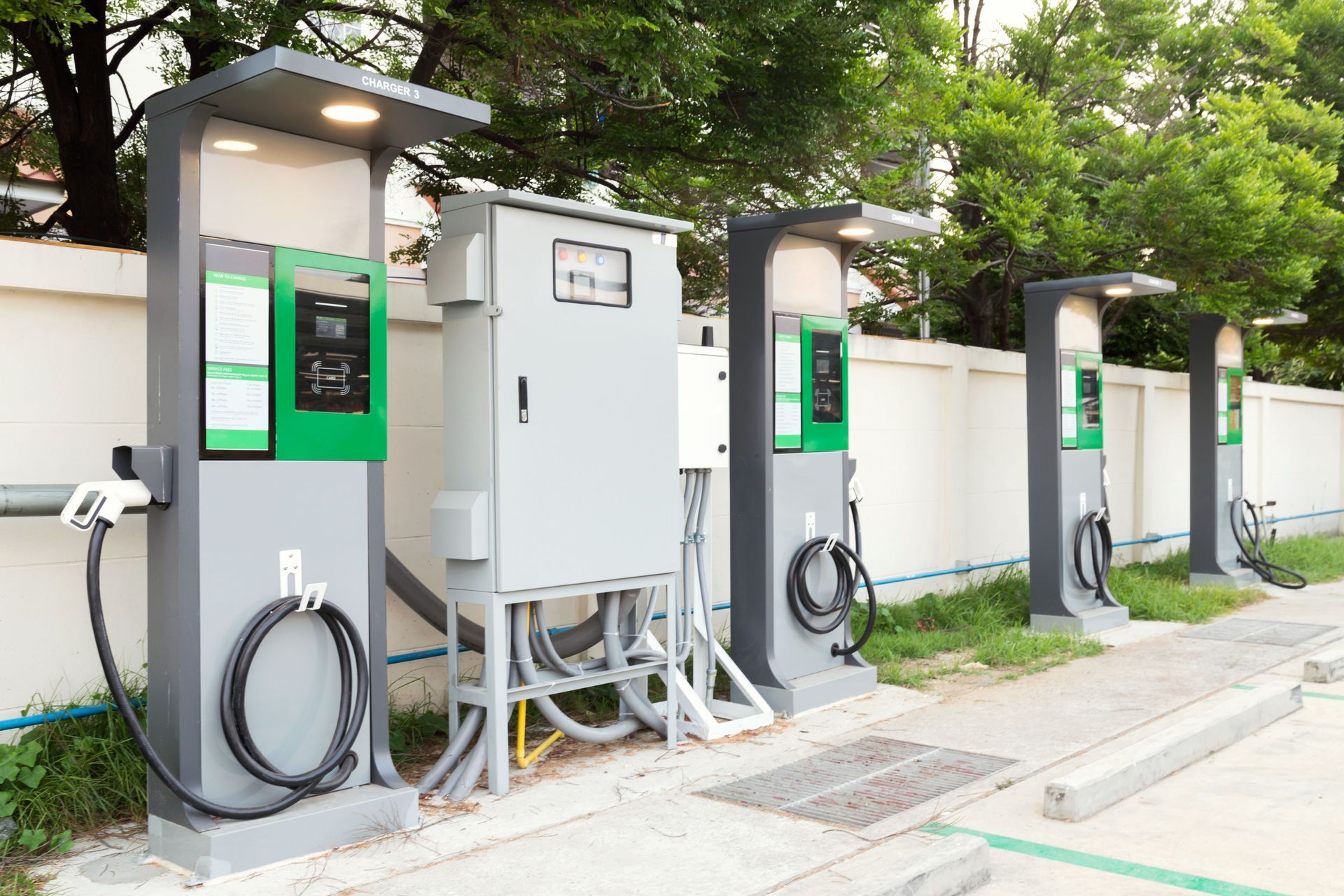
In modern electrical installations, energy efficiency is a top priority, reflecting both environmental consciousness and cost-saving benefits. Electricians recommend energy-efficient solutions, such as LED lighting and energy-star-rated appliances, to reduce overall power consumption. They are also equipped to install advanced systems that optimize energy use, like smart thermostats and automated lighting controls. By incorporating these efficiency measures, residential electricians help homeowners achieve significant energy savings. This focus on energy efficiency demonstrates the added value professional electricians bring to home addition projects.
Future-proofing is a critical component of modern electrical design, addressing both technological advancements and lifestyle changes. Electricians anticipate these developments and design systems that accommodate future upgrades without requiring extensive modifications. Such foresight includes installing larger conduits and extra wiring to easily integrate new technologies. This proactive approach ensures that home additions remain adaptable and valuable in the long term. By investing in future-proof designs, homeowners protect their investment while enjoying the benefits of cutting-edge technological solutions.
Don’t compromise on safety or efficiency by attempting DIY electrical work. Partner with Deao Electric today to ensure every installation is precise, compliant, and built to last. Take the first step toward a safer, smarter, and more energy-efficient home by scheduling a professional consultation now—your home and family deserve nothing less.